Choosing the right output is what most affects whether an air conditioner cools well and uses little electricity. A unit that is too small can’t reach the temperature on the hottest days; one that is too big keeps starting and stopping, uses more and cools unevenly.
kW, BTU and frigorías
In Spain you will see cooling output in kilowatts (kW) or in frigorías per hour; in the UK and elsewhere, often in BTU. The conversions are simple: 1 kW is about 860 frigorías/hour, or about 3,400 BTU/hour. A 3.5 kW unit, for example, is around 3,000 frigorías or 12,000 BTU.
The square-metre rule, and why it isn’t enough
As a quick guide, people often talk about 100 frigorías per square metre. It gives you an idea, but on the Costa Blanca and in Murcia many factors change the result:
- Orientation. A south- or west-facing room gets much more afternoon sun.
- Windows. Large glazed areas, especially without awnings, add a lot of heat.
- Insulation. A top-floor flat under the roof or an older, uninsulated house needs more output than a newer mid-floor apartment.
- Ceiling height. The square-metre rule assumes a normal height; with high ceilings there is more air to cool.
- Use. An open-plan kitchen, an office with computers or premises with customers generate their own heat.
When several rooms are air-conditioned
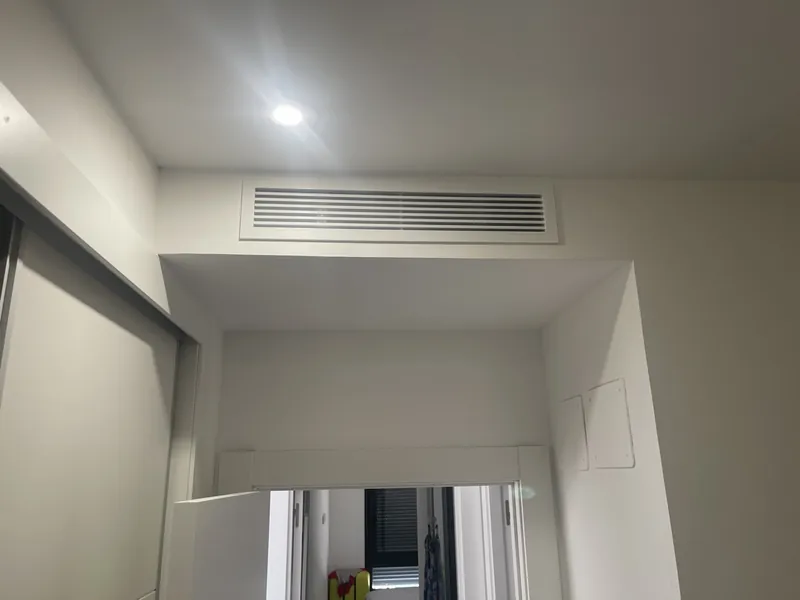
With a multi-split or a ducted system you can’t just add the rooms together: each one has to be worked out and the outdoor unit must have enough output for the whole, bearing in mind that not every room runs at the same time.
How we work it out
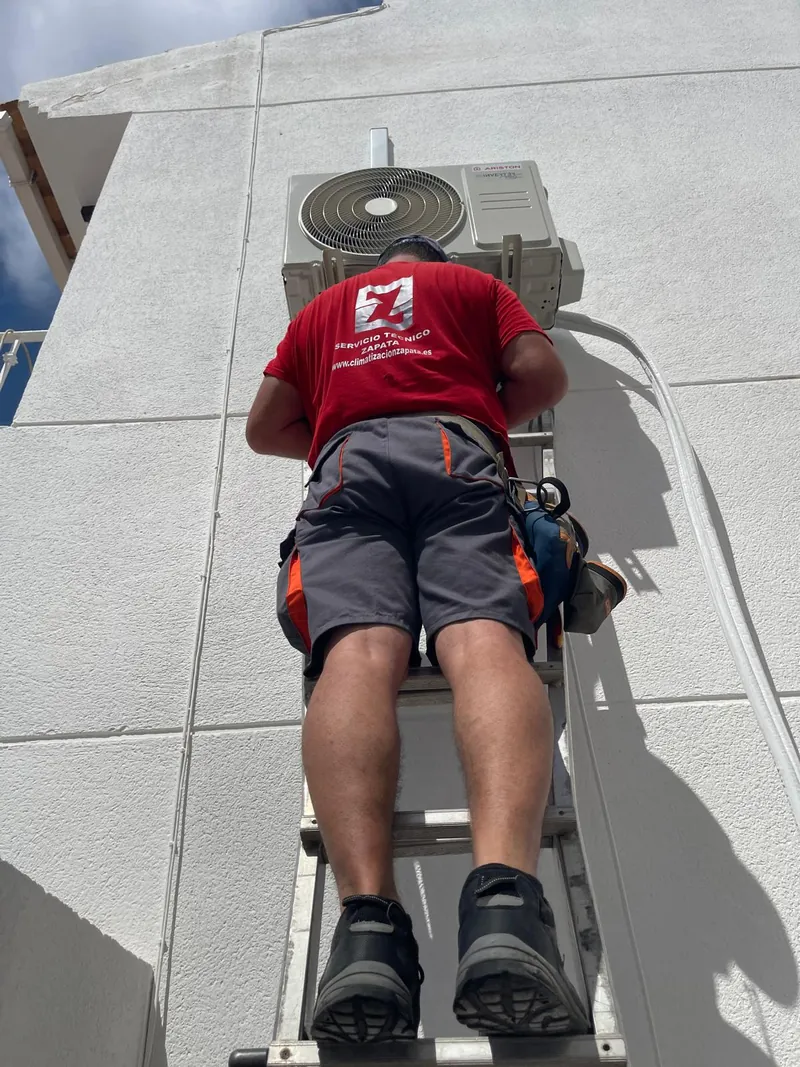
On the visit we measure each room and look at orientation, windows, insulation and use. With that information we choose the output and the system. If it isn’t clear-cut, we’d rather explain both options than sell you the biggest unit.